Westchester Experts Share Tips On Adding Wallpaper To Homes
Wallpaper can add interest and depth to a room, according to Westchester experts, who share tips on choosing and installing it. With many patterns and styles available, selecting the right one can be intimidating.
Original reporting · westchestermagazine.com
Original: “How to Add Wallpaper to Your Home, According to Westchester Experts”
Read “How to Add Wallpaper to Your Home, According to Westchester Experts” at Westchester Magazine →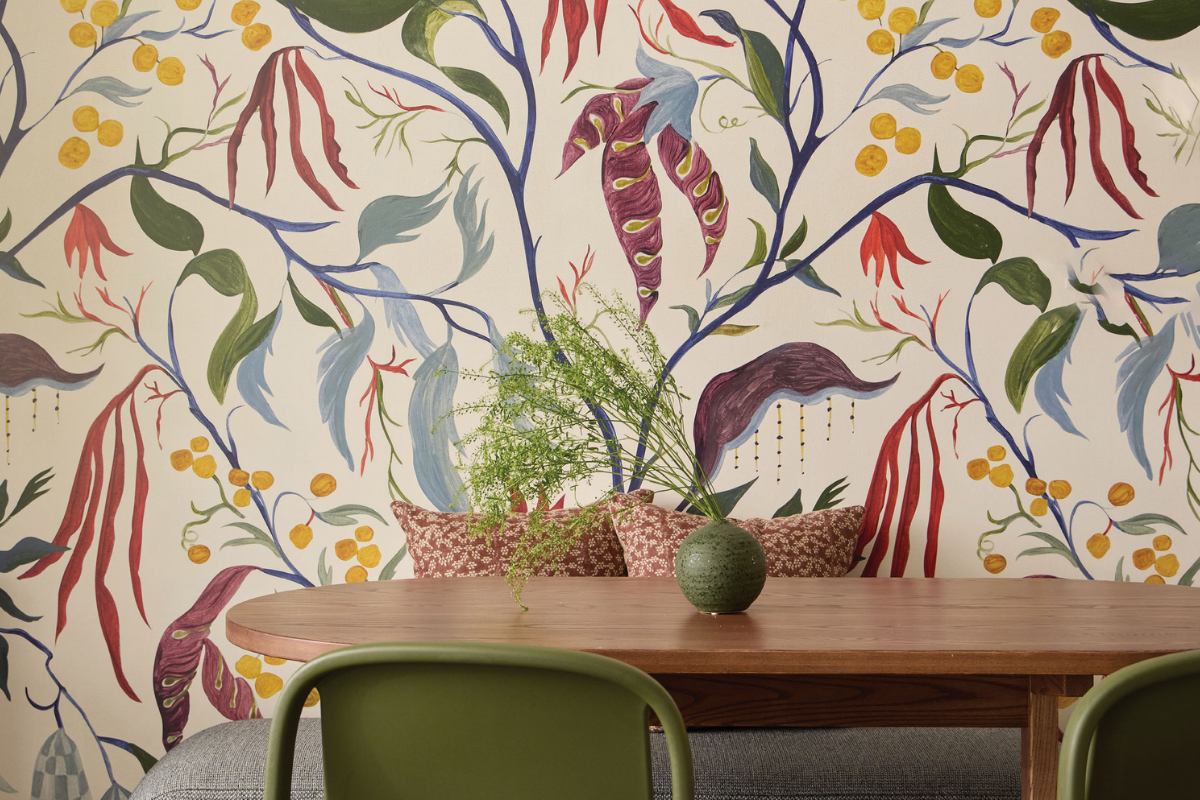
How this was written. Westchester Made wrote this article with a language model from Westchester Magazine’s reporting (model: @cf/meta/llama-3.3-70b-instruct-fp8-fast); it describes that reporting rather than adding to it. The original, linked above, is the full story.
Key points from Westchester Magazine’s report
- Wallpaper can add interest and depth to a room, making it feel fuller and more complete.
- Today's wallpaper options are more user-friendly than they once were, with easier installation and removal.
- Choosing the right wallpaper can be intimidating, but considering the size of the space and the style of the room can help.
Wallpaper can add a unique touch to a room, making it feel fuller and more complete, according to Petra Boykoff, founder and owner of Petra Design Studio in Scarsdale. Boykoff notes that wallpaper adds another layer of interest that paint cannot provide.
Today's wallpaper options are more user-friendly than they once were, with easier installation and removal. The breadth of styles has also evolved, with more lighter options in terms of texture and color, says Laurie Scovotti, principal at Laurie Scovotti Studio, an interior design firm in Larchmont.
When combining two wallpapers, varying scale while keeping colors and style consistent ensures a mash-up that feels intentional, not chaotic. Boykoff suggests matching the scale of the room with the scale of the pattern, as a big pattern may not make sense in a tiny room.
Scovotti recommends thinking about the spaces where you spend the most time, and suggests that a textured grass cloth or natural fiber wallpaper adds subtle interest in rooms like the living room. A powder room, on the other hand, is an opportunity for something more daring.
Patterns are at play in many rooms, but in a carefully balanced way. Boykoff and Scovotti agree that wallpapered accent walls have had their moment, and that moment is gone. Boykoff says that accent walls feel like you wanted something, but you were scared, and that if you want pattern in your room, you should commit to it.
Large-scale patterns mean more wallpaper for matching, but Boykoff notes that extra pieces can be used for gift wrap or for the back of cabinets. Small, tucked away spaces like powder rooms are fun places to go bolder on color or pattern, or both.
Wallpaper generally comes in three formats: traditional papers that need glue applied, pre-glued papers that can be activated with water, and peel-and-stick versions. Boykoff says professional installers prefer traditional wallpaper, while pre-glued paper is less intimidating for DIYers and tends to be easier to remove later on. This article is based on reporting by Westchester Magazine.
Questions and answers
What are the different formats of wallpaper?
Wallpaper generally comes in three formats: traditional papers, pre-glued papers, and peel-and-stick versions.
How do I choose the right wallpaper for my room?
Consider the size of the space and the style of the room, and think about the spaces where you spend the most time.
Should I hire a professional to install my wallpaper?
If you're handy and patient, you can install it yourself, but for big or intricate jobs, it's worth hiring a pro.