Congressman Josh Riley Introduces Anti-Corruption Legislation
Congressman Josh Riley has introduced a bill to crack down on corruption in Washington, which may impact politicians' financial dealings. The legislation aims to increase transparency and accountability among government officials.
Original reporting · hudsonvalleypost.com
Original: “Hudson Valley Congressmen Promise Washington Corruption Crackdown”
Read “Hudson Valley Congressmen Promise Washington Corruption Crackdown” at Hudson Valley Post →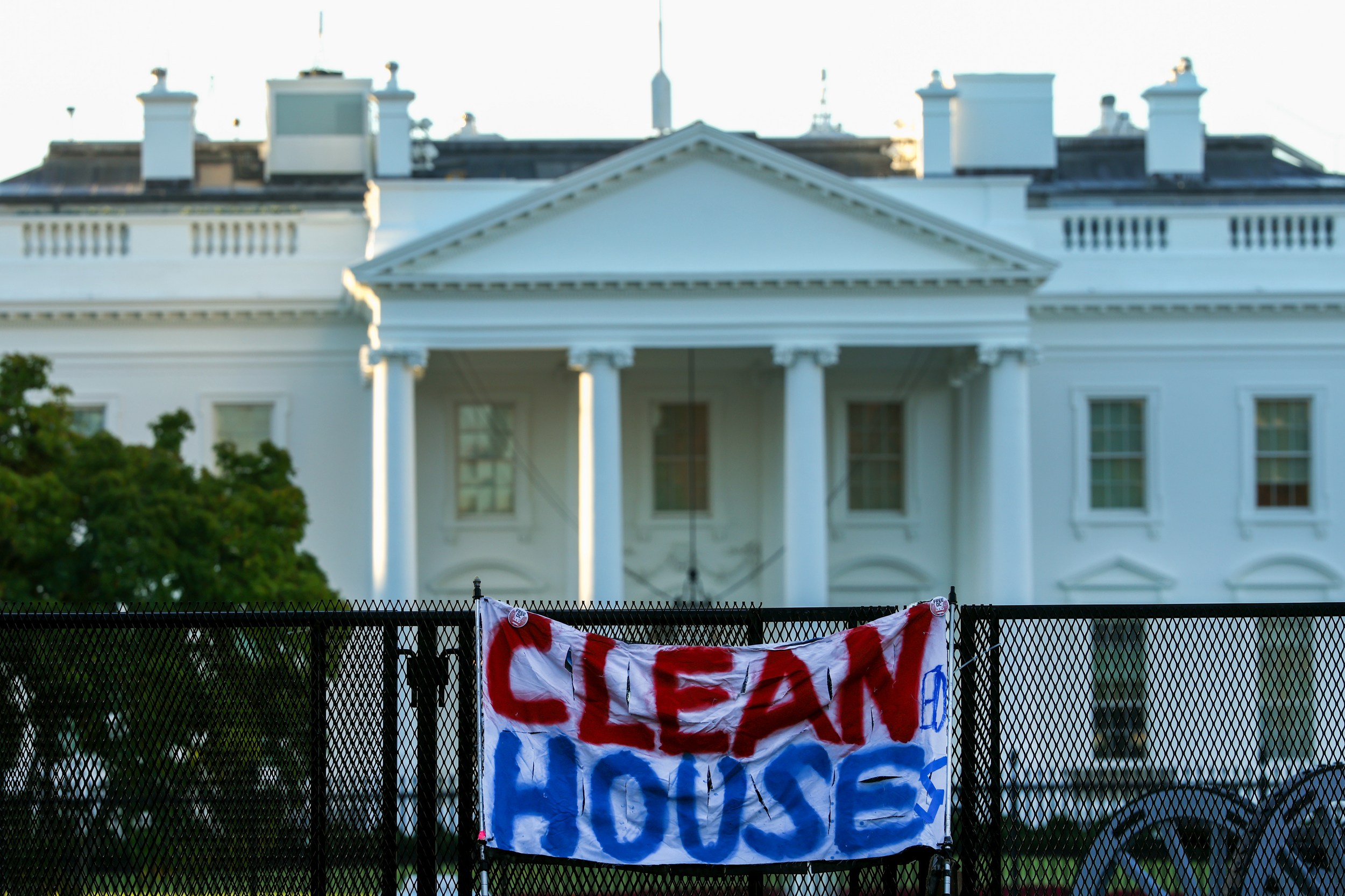
How this was written. Westchester Made wrote this article with a language model from Hudson Valley Post’s reporting (model: @cf/meta/llama-3.3-70b-instruct-fp8-fast); it describes that reporting rather than adding to it. The original, linked above, is the full story.
Key points from Hudson Valley Post’s report
- Congressman Josh Riley has introduced legislation to restrict certain financial activities of government officials.
- The proposed law would apply to high-ranking officials, including those in the legislative, executive, and judicial branches.
- The legislation also proposes term limits for members of Congress and Supreme Court justices.
- The bill aims to increase transparency and accountability among government officials.
- The introduction of the bill is a response to concerns about corruption and unfairness in the government.
Congressman Josh Riley has taken a step towards addressing corruption in Washington by introducing new legislation. This move is significant as it may lead to changes in the way politicians manage their finances while in office. According to Hudson Valley Post, the proposed law has garnered attention for its potential to increase transparency.
The legislation, introduced alongside Ohio Representative Greg Landsman, focuses on restricting certain financial activities of government officials. If passed, the law would apply to high-ranking officials, including those in the legislative, executive, and judicial branches. This would be a notable development in the efforts to reduce corruption.
A key aspect of the proposed law is the restriction on owning or trading individual stocks. This provision is intended to prevent conflicts of interest and ensure that officials prioritize the public's interests over personal financial gain. Hudson Valley Post reported that the bill has been met with interest from those seeking to reform the current system.
In addition to the restrictions on financial activities, the legislation also proposes term limits for certain government officials. This would limit the amount of time individuals can serve in these positions, potentially leading to a more dynamic and representative government. The term limits would apply to both members of Congress and Supreme Court justices.
Congressman Pat Ryan has expressed concerns that some politicians, including President Trump and his family, may be benefiting financially while many Americans struggle with everyday costs. This perception of unfairness has contributed to the push for anti-corruption legislation. The introduction of the bill is a response to these concerns and an attempt to address the issue.
The proposed legislation is part of a broader effort to reform the government and increase accountability. If passed, it would mark a significant step towards reducing corruption and promoting transparency. The outcome of this effort will depend on the response from lawmakers and the public.
As the legislation moves forward, it will be subject to debate and scrutiny. The potential impact of the law on the government and the public will be closely examined. According to Hudson Valley Post, the introduction of the bill is a notable development in the ongoing efforts to address corruption in Washington.
Questions and answers
What is the main goal of the proposed legislation?
The main goal is to increase transparency and accountability among government officials by restricting certain financial activities.
Who would be affected by the proposed law?
The law would apply to high-ranking officials, including those in the legislative, executive, and judicial branches, as well as their immediate family members.
What other provision is included in the legislation?
The legislation also proposes term limits for members of Congress and Supreme Court justices, limiting their service to 18 years.